
Interior Design Tips for Short Term Rentals

Key Takeaways
- Balance visual appeal with comfort and practicality.
- Create a consistent design language throughout the property.
- Choose furniture suitable for frequent guest use.
- Prioritise lighting, storage and functional spaces.
- Use distinctive details to give your property character.
Design With Your Guest in Mind
A short-term rental is different from a private home.
Guests arrive with limited knowledge of the space and need to understand quickly where to relax, store their belongings, work, eat and sleep.
That makes functionality an important part of the design process.
A beautiful chair that is uncomfortable to use or an impressive bedroom without practical bedside lighting may photograph well but can make the actual guest experience less considered.
Airbnb's current host guidance similarly recommends thinking through what guests need in every room, including comfortable mattresses, accessible bedside lighting and space for luggage and belongings.
“The best short-term rental interiors balance how a property looks with how effortlessly guests can live in it.”
Create a Consistent Design Story
A well-designed property should feel connected from one room to another.
This doesn't mean every space needs to look identical. Instead, consider repeating elements such as colour, materials, finishes or shapes to create a recognisable visual language.
For example, a warm neutral palette could run throughout the property while individual rooms introduce different artwork, textures and accent colours.
Consistency helps the interior feel intentional and can also create a stronger collection of photographs for the property's listing.
- A cohesive colour palette
- Complementary materials and finishes
- Carefully selected artwork
- Repeated design details
- A clear overall style
The aim is to give the property personality without making individual rooms feel disconnected.

Choose Furniture for Real Life
Furniture in a short-term rental needs to work harder than furniture chosen purely for display.
Think about how many guests the property accommodates and make sure the main spaces support that capacity.
If a property sleeps six, for example, the living and dining spaces should ideally feel comfortable when several guests use them together.
Durability also matters. Frequently used pieces should be selected with ongoing guest stays and maintenance in mind.
Pay Attention to Lighting
Lighting can completely change how a room feels.
Rather than relying entirely on one central ceiling light, consider layering different sources of illumination.
A living room might combine ceiling lighting with floor and table lamps, while bedrooms benefit from practical bedside lighting that guests can reach easily.
Natural light should also be considered when arranging furniture, selecting window treatments and choosing colours.
Airbnb specifically highlights soft lighting as a way to make living spaces feel more comfortable and recommends accessible lighting beside beds.
Give Guests Space to Settle In
Storage can easily be overlooked when designing a beautiful rental.
Guests need somewhere to place luggage, hang clothes and organise personal belongings—particularly during longer stays.
That could mean leaving wardrobe space available, providing drawers, incorporating luggage benches or simply keeping enough surfaces clear for guests to use.
Airbnb recommends offering guests storage and keeping surfaces organised rather than filling every available area with decorative objects.
Good design leaves some space for the guest.
Add Character Through the Details
A short-term rental doesn't need to feel anonymous.
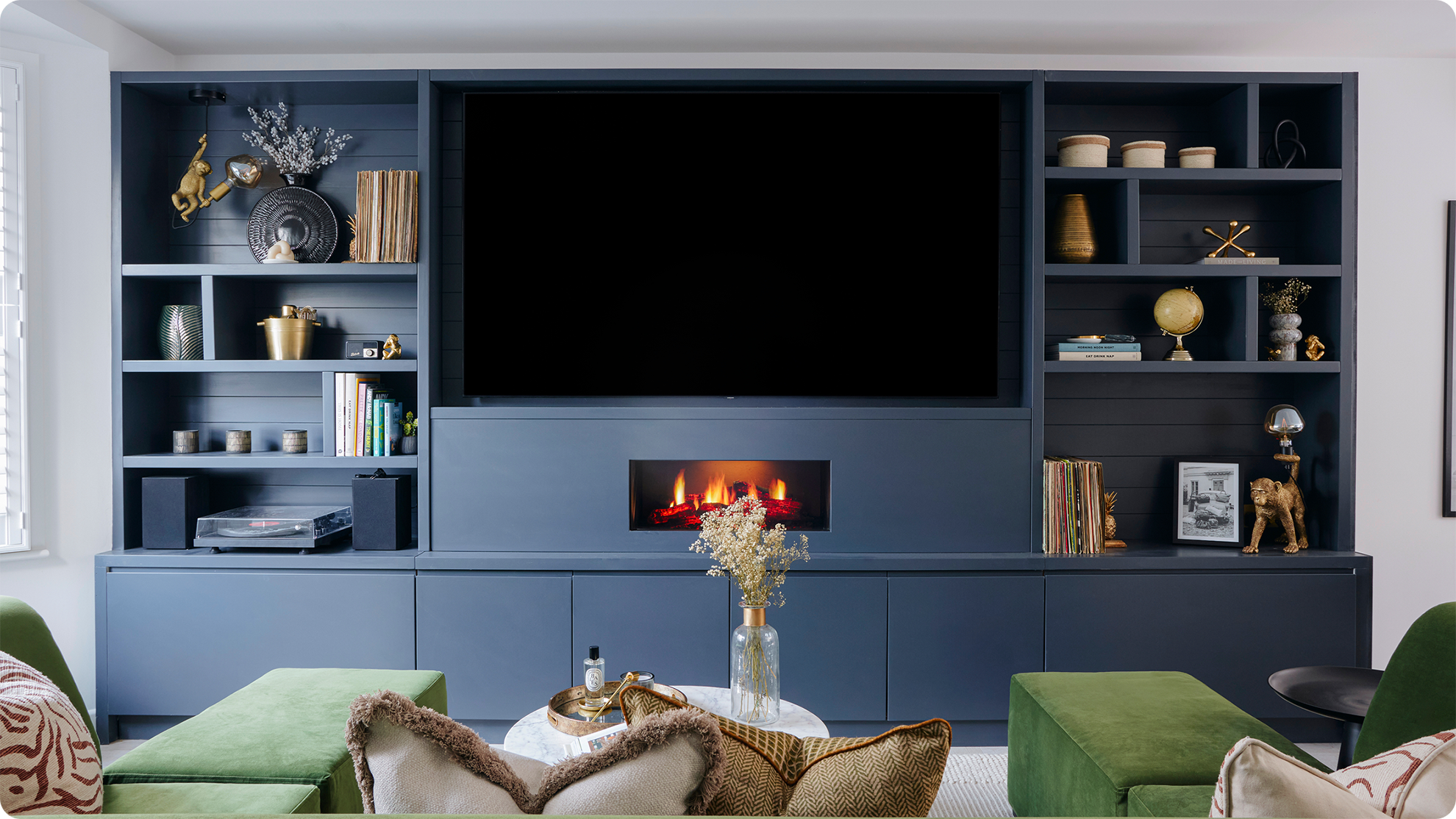
Artwork, books, cushions, considered accessories and locally inspired details can give the property personality without overwhelming the space.
Airbnb's guidance notes that art, books and cushions can contribute warmth and character while still keeping a home organised.
The key is restraint.
Choose details that support the overall interior rather than filling every surface. The result should feel curated, welcoming and easy to maintain.

.png)
Common Questions About Rental Revenue
Why is interior design important for a short-term rental?
Interior design influences both how a property presents online and how guests experience it in person. Thoughtful design can make spaces easier to use, more comfortable and more visually cohesive.
What should I prioritise when furnishing a short-term rental?
Start with the essentials guests use most: comfortable beds, practical seating, dining space, appropriate storage and good lighting. Decorative elements can then build character around that foundation.
Should every room use the same colours?
Not necessarily. A consistent overall palette can connect the property while allowing individual rooms to introduce different accents, artwork and textures.
How much storage should I provide for guests?
This depends on the property and expected length of stay, but guests should have practical space for luggage, clothing and personal belongings. Airbnb's current host guidance recommends making some wardrobe or drawer space available.
Should I design my property around current trends?
Trends can provide inspiration, but avoid relying entirely on fashionable elements that may date quickly. A strong foundation of practical furniture, cohesive materials and distinctive details can give the property greater longevity.
.png)
.png)
.png)



